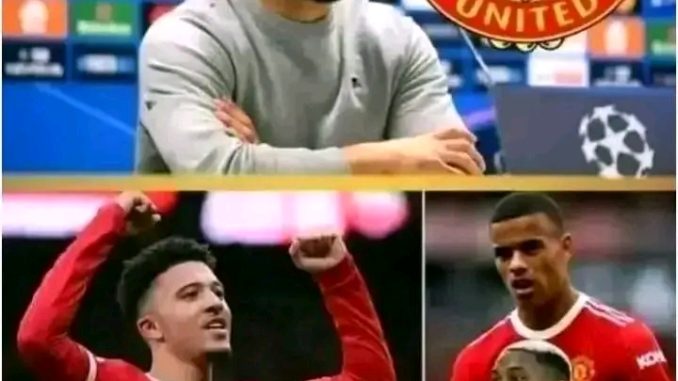
When I took the reins as Manchester United’s manager, I brought with me a clear vision: the club needed a spark, a figure to reignite its passion and drive. It wasn’t just about adding talent to the squad—it was about finding a transformative presence. One name stayed with me, a player whose brilliance had once defined Old Trafford and who seemed destined to return: Cristiano Ronaldo. His legendary first spell at the club had left an indelible mark, and his return could restore the leadership, experience, and winning mentality the team sorely missed.
Since Ronaldo’s departure, Manchester United had struggled for consistency. While moments of brilliance surfaced among the players, no one possessed his magnetic presence or aura. Ronaldo had a unique ability to elevate the entire squad and galvanize the fans, who longed for a hero to rally behind. Bringing him back wasn’t merely a transfer decision—it was a statement of intent to restore the club’s identity and glory.
Determined to turn this vision into reality, I addressed the board with conviction. “We need to bring him back this January,” I declared, knowing the stakes were high. While skepticism filled the room, my resolve remained unshaken. Ronaldo symbolized the essence of Manchester United, and his return had the potential to reignite the team’s winning culture. The decision was a gamble, but it was one I believed we couldn’t afford not to take.
Negotiations began amidst a whirlwind of speculation and excitement. To me, this was more than securing a footballing icon; it was about reestablishing the spirit that defined our glory days. I reached out to Ronaldo directly, assuring him that Old Trafford was where he belonged. His legacy was etched in the hearts of fans, and his return would mark a pivotal moment for the club.
When January finally arrived, the anticipation was palpable. Ronaldo’s first steps back onto the Old Trafford pitch were met with thunderous applause. The chants of “Viva Ronaldo!” filled the stadium, reigniting the pride and unity that had been missing. It felt as though a trophy had already been secured simply by his presence. His return wasn’t just a homecoming—it was a rekindling of hope.
In his first match back, Ronaldo exceeded all expectations, delivering a stunning performance and scoring twice. Yet, his impact extended far beyond the goals. His leadership and passion inspired his teammates to play with renewed energy and focus. The atmosphere at Old Trafford transformed, and the team began to embody the resilience and drive that had once defined Manchester United.
Under Ronaldo’s influence, the victories piled up, and the club’s fortunes began to change. By season’s end, we had secured a Champions League spot and reemerged as contenders for major silverware. The gamble to bring him back proved to be a masterstroke, exceeding even the boldest predictions. His return wasn’t just a boost in performance—it was a revival of the club’s spirit and ambition.
As I watched Ronaldo lead the team with unmatched charisma and determination, I felt a profound sense of accomplishment. This wasn’t just about numbers or trophies; it was about restoring Manchester United’s soul. His return marked a new chapter, one where belief, hunger, and unity defined our journey. Together, we had reignited the heart of Manchester United, paving the way for a future filled with promise and glory.
Leave a Reply