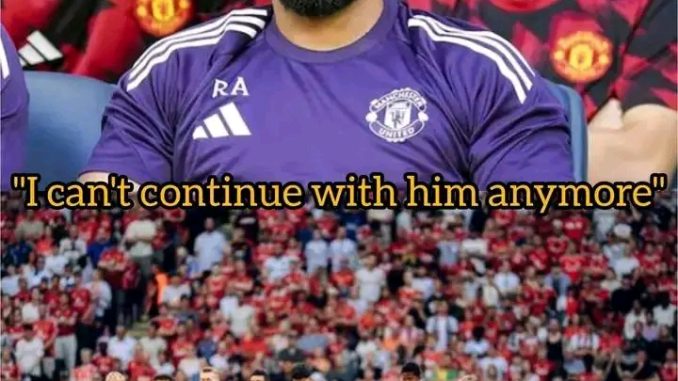
Manchester United’s pre-season draw with Leeds left more than just a goalless scoreline—it exposed fractures in the squad, and Luke Shaw, once hailed as a defensive rock, now finds himself teetering on shaky ground. Manager Rúben Amorim, unimpressed by the left-back’s lackluster display, has reportedly voiced sharp criticism behind closed doors. The £20 million-rated defender, who once looked destined to reclaim his prime form, was anything but inspiring. His pace was absent, his urgency lacking, and his contributions negligible on both ends of the pitch.
Amorim, who’s only just begun sculpting his vision for the new United, was said to have been blunt in his post-match assessments. Insiders claim he described Shaw as “too sluggish” and “not needed,” a damning verdict that has since echoed beyond Carrington and into the fanbase’s digital streets. Shaw’s inability to keep up with the tempo or provide any offensive width cast serious doubts over his fitness and mentality, especially in a game meant to shake off rust and ignite readiness.
For supporters, this isn’t unfamiliar territory. While Shaw has delivered flashes of brilliance over the years—his Euro 2020 heroics and brief resurgence in the 2020/21 season come to mind—his inconsistency remains the sore tooth in an otherwise aging jawline. Injuries have taken their toll, yes, but it’s the passive body language and erratic performances that have tested patience. The Leeds match, although a friendly, symbolized a deeper issue: a senior player failing to lead by example.
The fans didn’t hesitate. Social media quickly filled with criticism, not just directed at Shaw but at the club’s tolerance of mediocrity. “Same old Shaw,” one fan barked online, “slow, lazy, and predictable.” Others called for him to be replaced outright, citing Amorim’s high-pressing system as being completely incompatible with the current version of Shaw. Calls for a younger, hungrier left-back have grown louder than ever—some naming Milos Kerkez or Miguel Gutiérrez as prime targets.
Shaw’s future at United, once seemingly secure, now hangs in the balance. Though he still holds a contract and a transfer valuation hovering around £20 million, Amorim’s cold appraisal may have shifted internal discussions. With interest brewing from other clubs, and the transfer window still ticking, United could quietly be weighing their options. And if Shaw doesn’t step up in the upcoming fixtures, an exit could come faster than anyone expected.
The most frustrating aspect? This was avoidable. Shaw had a golden chance to prove himself—a clean slate under a new boss with a clean clipboard. Yet instead of making a statement, he vanished into the background, failing to show grit, drive, or leadership. When a manager like Amorim, who values discipline and sharpness above all else, sees a senior player turn in such a limp performance, it’s more than disappointing—it’s damning.
Still, nothing’s final. Shaw has two more chances this pre-season to turn things around: matches against West Ham and Bournemouth that now carry heavier implications than they should. They’ll be tests—not of skill, but of attitude. Can he show the hunger of a man fighting for his legacy, or will he fade out of the picture, another fallen name in a club known for harsh resets?
Whatever happens, the message is clear. At Amorim’s Manchester United, there’s no room for passengers. Either you run with the pack or you get left behind. Shaw’s career at Old Trafford isn’t over—yet. But the next 180 minutes might just decide everything.
Leave a Reply