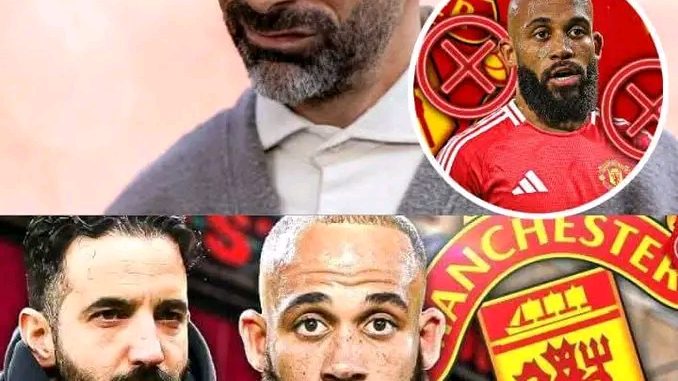
Manchester United’s transfer chase for Bryan Mbeumo has dragged on far longer than fans—or legends—are comfortable with. Rio Ferdinand, a voice still loud in the Old Trafford halls, has sounded the alarm bells, calling out the sluggish pace at which the club is handling negotiations. After securing Matheus Cunha for a hefty fee, there’s been radio silence on further deals, leaving supporters restless and frustrated. Mbeumo, the Brentford forward, has been a clear target for weeks, yet talks seem to be caught in a muddy loop, with Brentford’s ever-changing valuation creating a minefield United haven’t navigated well.
Rio didn’t mince words on his YouTube platform. He made it clear that the delay isn’t just a transfer issue—it’s a potential embarrassment. He stressed that United must either match Brentford’s price or move on fast. Hanging around until the window slams shut, only to walk away empty-handed, would reflect badly on the club’s strategy. He warned that without a solid backup plan, United could be left scrambling, repeating past mistakes. Ferdinand’s warning echoed a deeper fear many fans share: that indecision has become United’s new identity.
Mbeumo isn’t just a nice-to-have. He’s a proven Premier League player, physical, intelligent, and versatile. Rio believes he fits the system perfectly. And with Rúben Amorim preferring a 3-4-2-1 formation, Mbeumo’s ability to operate on the right with a left foot could create balance alongside Cunha and Zirkzee. There’s real tactical logic to this pursuit, not just hype. Yet the longer United hesitate, the more precarious the whole structure looks.
Last season, Mbeumo notched 9 goals and 6 assists, keeping Brentford afloat even with Ivan Toney missing in action. That kind of consistency and end product is exactly what United need. For Amorim, who’s building a new-look front line, Mbeumo isn’t just another name—he could be the piece that glues the attack together. But every day lost in negotiation dims that prospect and creates pressure in other areas.
The ripple effects are already forming. Amad Diallo, a bright spark from last season, might be pushed into a wing-back role if Mbeumo arrives—a position that could neuter his attacking strengths. Meanwhile, the young blood—Shea Lacey and Bendito Mantato—are still too raw for consistent Premier League action. With Sancho and Greenwood’s futures in limbo and Antony’s performances wildly inconsistent, the need for a reliable wide threat becomes more urgent by the hour.
Imagining a front three of Mbeumo, Cunha, and Zirkzee has fans excited. The blend of pace, pressing, and positional interchange suits Amorim’s style to a tee. Mbeumo’s left-footed threat on the right, Cunha cutting in from the left, and Zirkzee through the middle? That could be a headache for defenders and a dream for Old Trafford. But if Mbeumo doesn’t land, that whole setup collapses into Plan B territory—which, right now, doesn’t seem to exist.
Ferdinand’s concern reflects more than just a missed opportunity—it’s about the message it sends. United’s recent windows have been plagued by delays, indecision, and poorly executed plans. Failing to seal Mbeumo, without a strong alternative in place, could suggest the new leadership under Amorim and INEOS isn’t quite as sharp or unified as fans hoped. The Premier League season waits for no one, and momentum is everything. Miss it, and you play catch-up all year.
The moment of truth is fast approaching. Either United meet Brentford’s terms, or they make a hard pivot to someone equally effective. Wasting time in no man’s land only feeds anxiety across the club, from the boardroom to the fan base. If Mbeumo truly is the guy, the deal needs to be closed—now. Otherwise, this saga could end up as just another what-could-have-been in United’s growing list of transfer regrets.
Leave a Reply